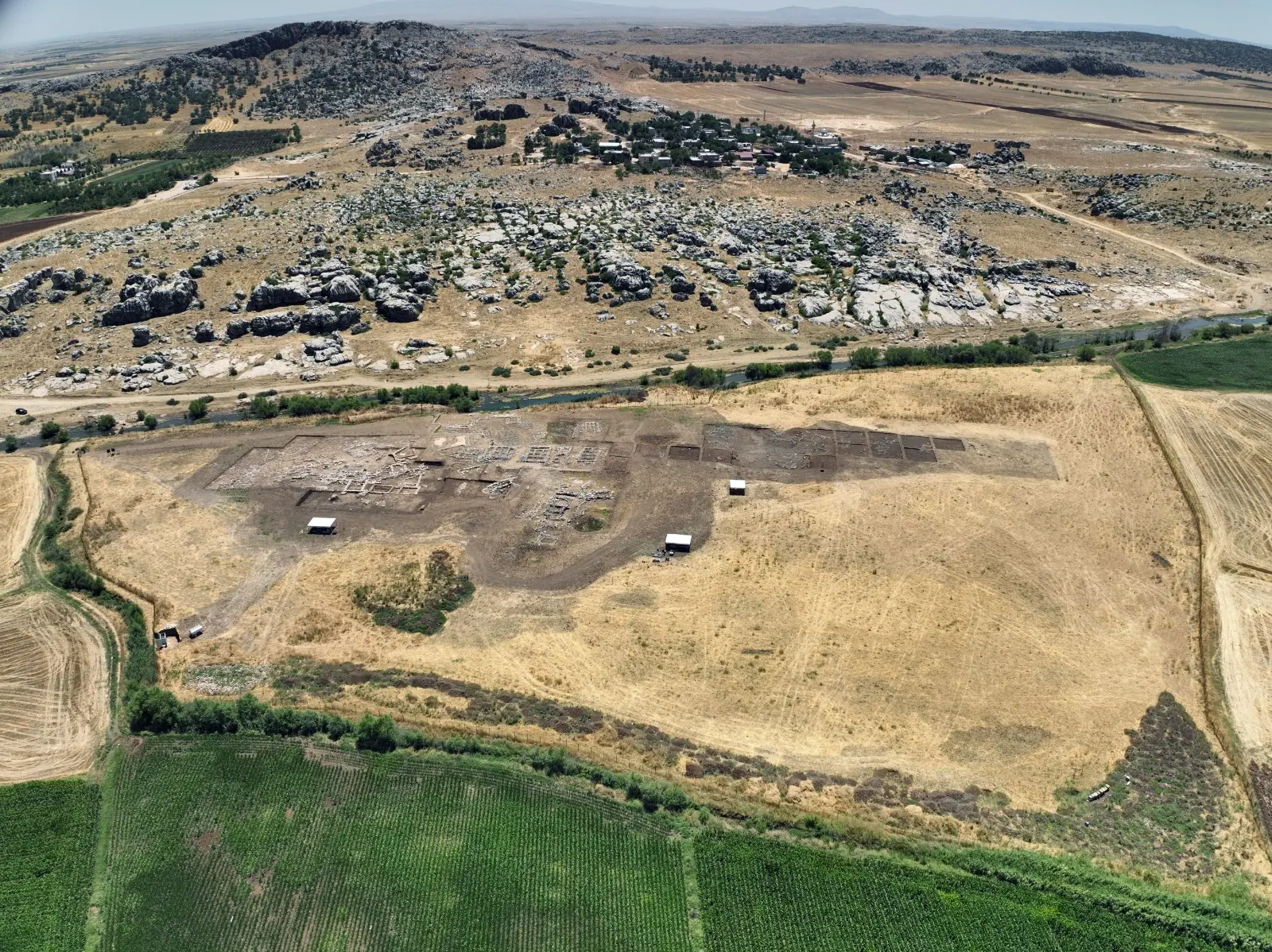
Çayönü Tepesi
Scroll
Latest
News
17.07.2026
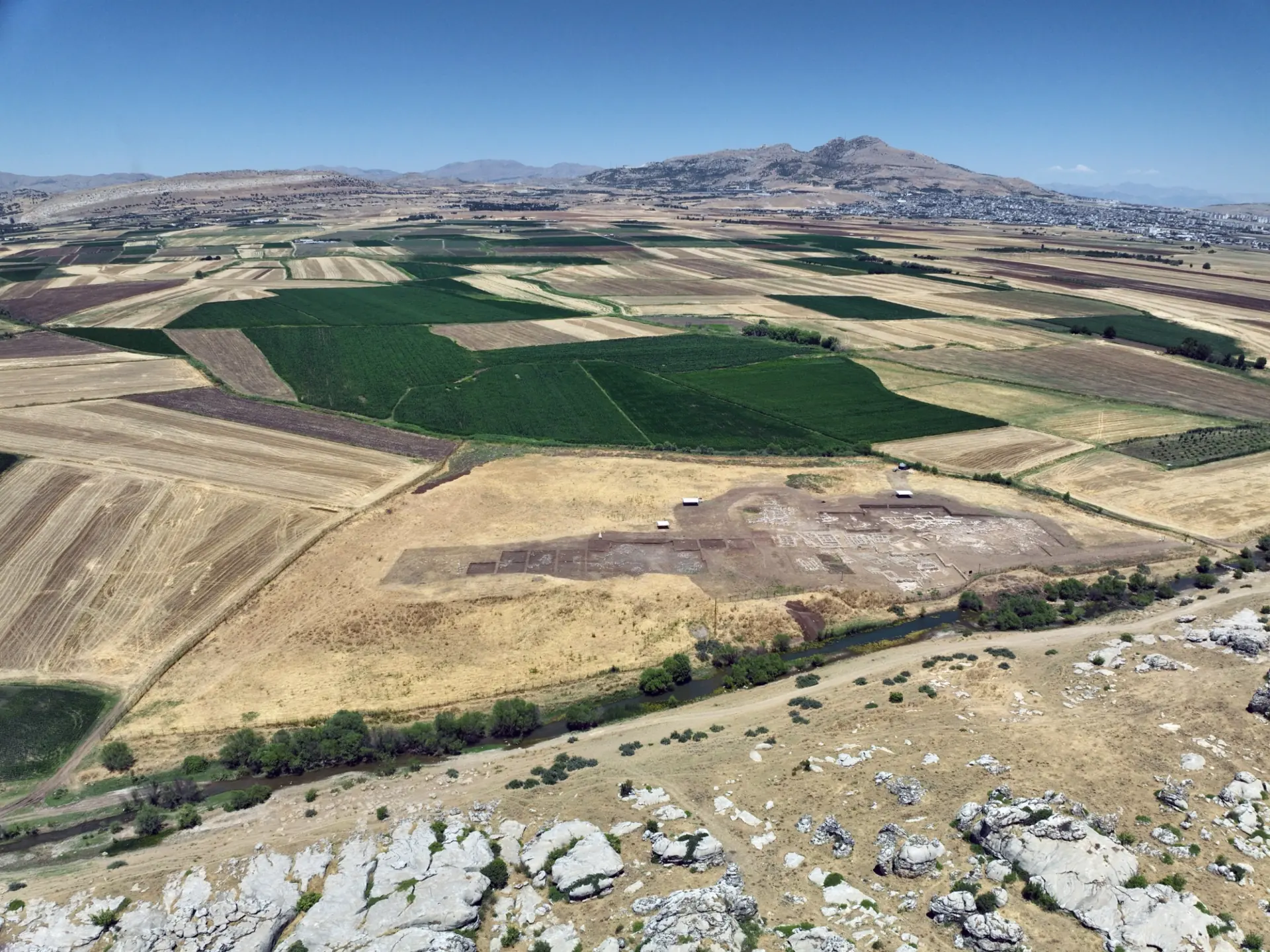
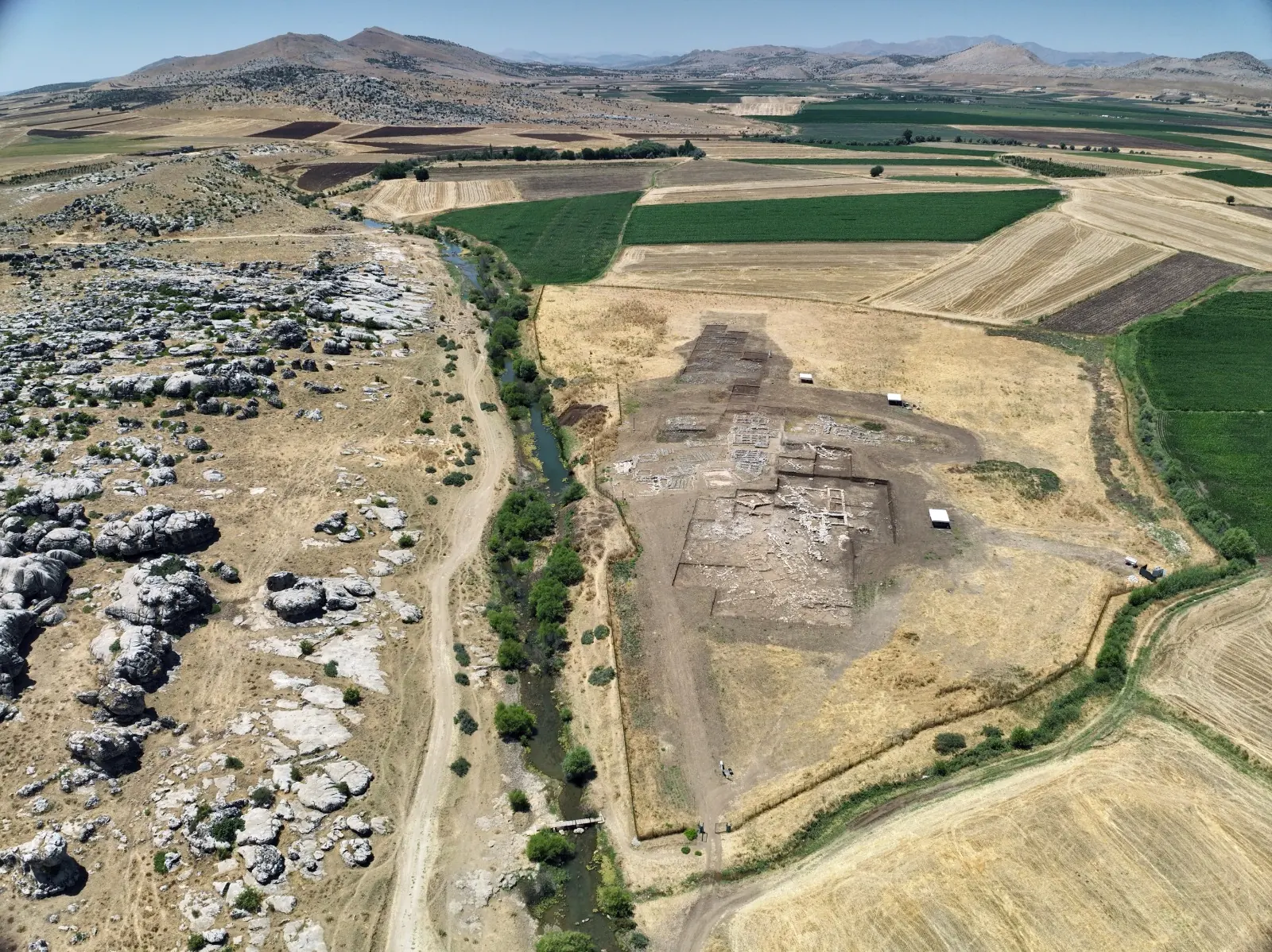
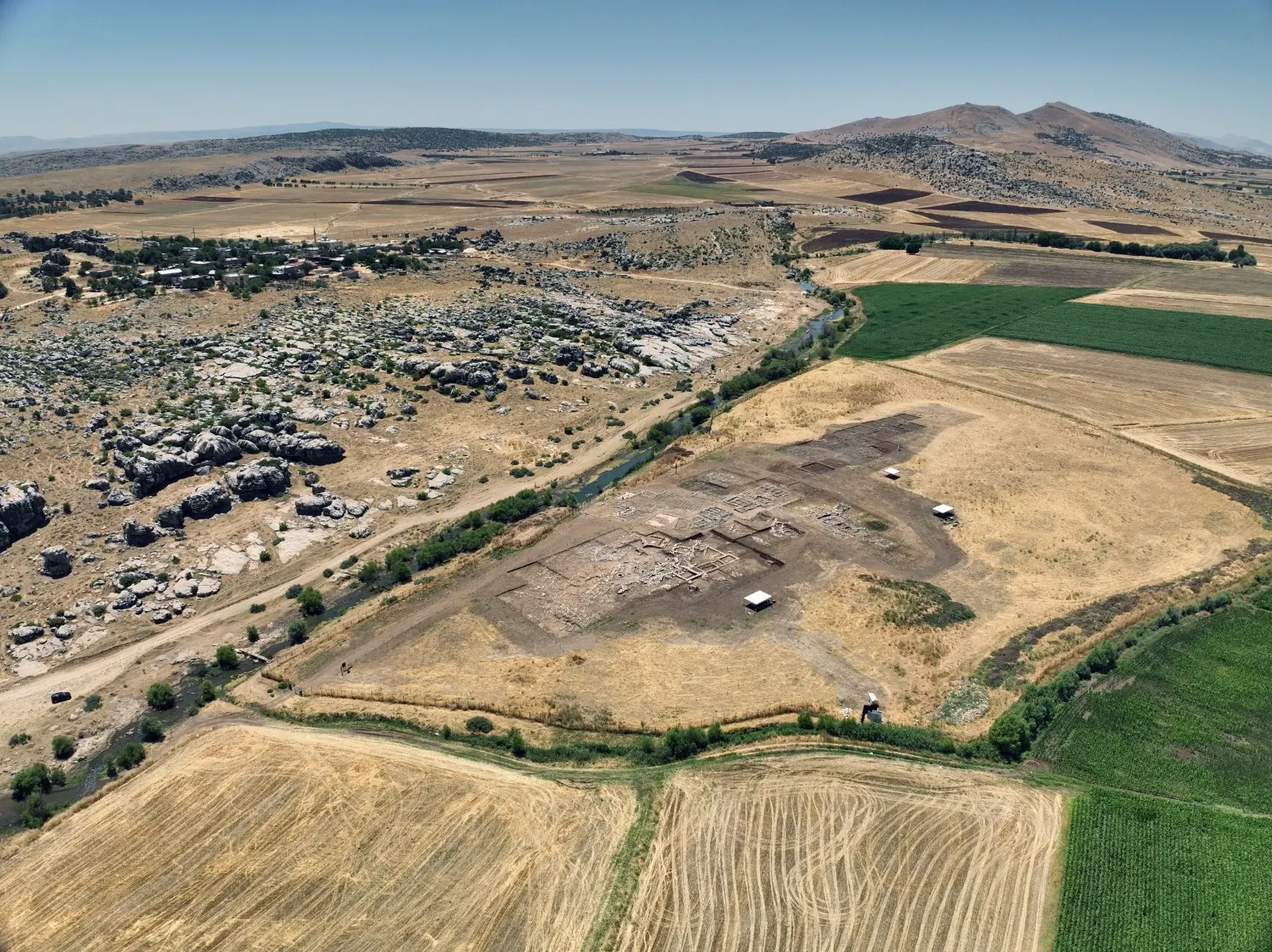
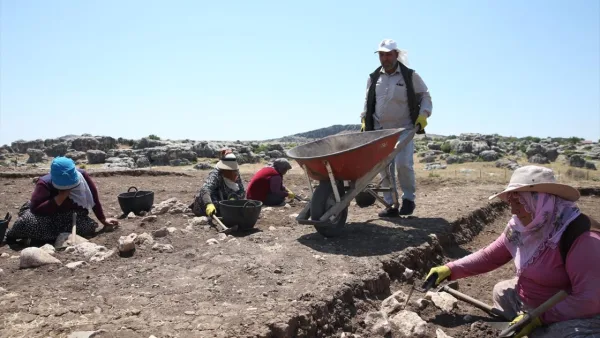
Excavation work has resumed in the western section of the 12,000-year-old Çayönü Tepesi after a 50-year hiatus.
09.06.2026
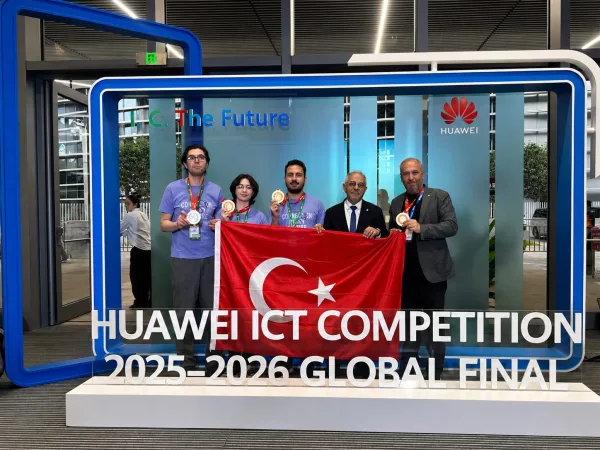
Çayönü AI-VR Experience Project Takes Second Place Globally at the Huawei ICT Competition Global Final 2026
05.06.2026
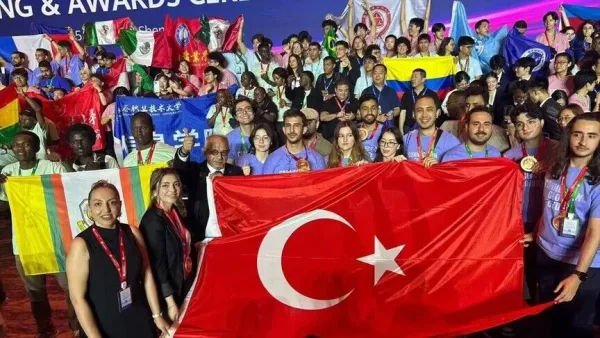
Turkish Students Win Prizes at Huawei's Competition
ÇAYÖNÜ TEPESİ EXCAVATION AND RESEARCH PROJECT
Initiated in 1964 under the directorship of world-renowned Prof. Dr. Robert John Braidwood and Prof. Dr. Halet Çambel, one of the founders of the Department of Prehistory (Prehistoric Archaeology) in Turkey, the Çayönü Tepesi Excavation Project was subsequently directed by Prof. Dr. Mehmet Özdoğan between 1985 and 1992, and by Prof. Dr. Aslı Erim-Özdoğan between 2015 and 2023. Beyond being a mere archaeological excavation, this project holds the identity of a school where numerous scholars were trained.
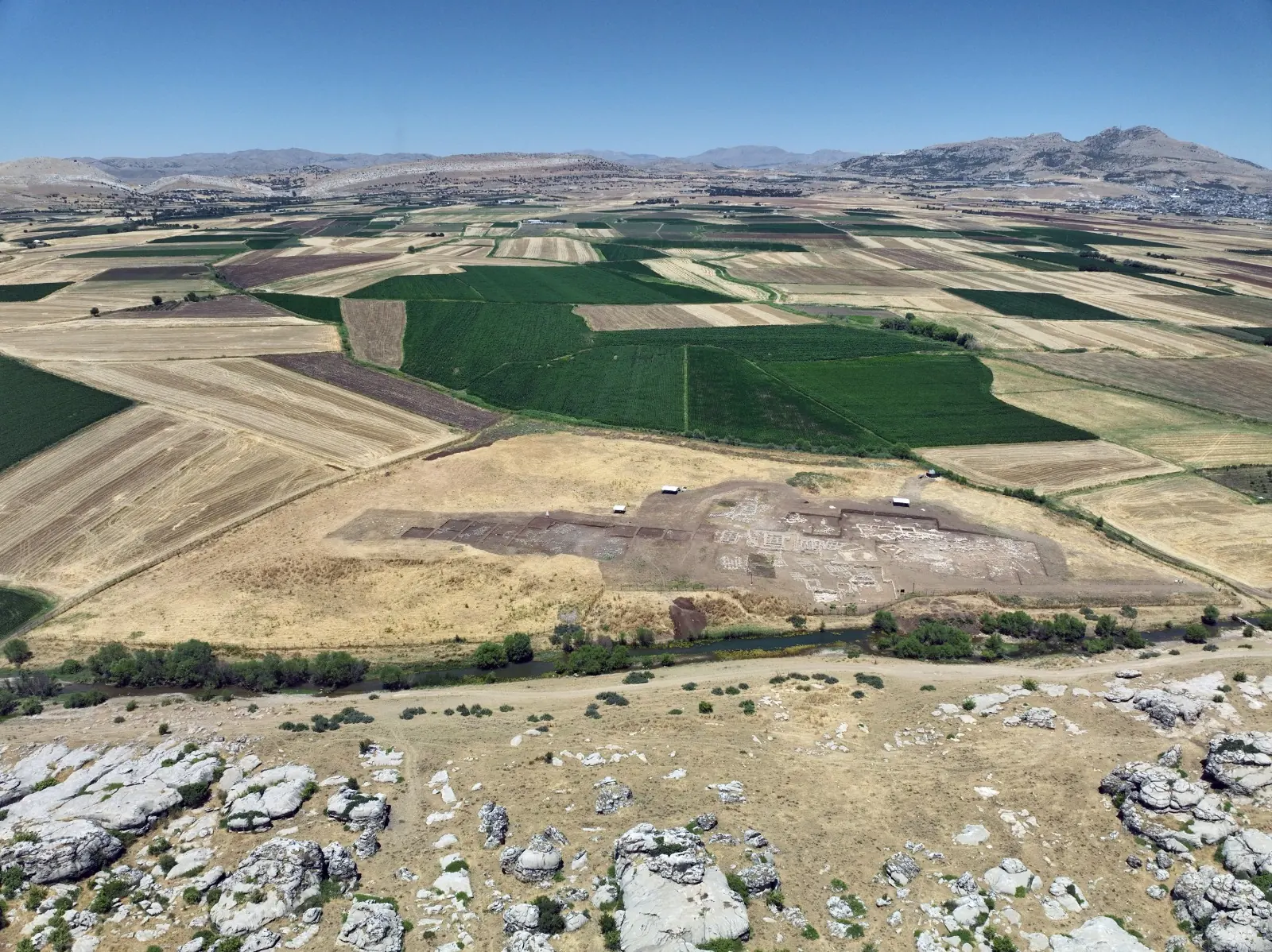
Located on a mountain-threshold plain in Southeastern Anatolia, 7 km southwest of the Ergani district in Diyarbakır province and north of Hilar village, the Çayönü Tepesi settlement was first inhabited at the very beginning of the Neolithic Period, approximately 12,000 years ago, which marks the transition of human history to settled life. This settlement is a key site in cultural history due to its characteristics that best reflect the cultural history of the Neolithic Period, not only in Anatolia but across Near Eastern and Levantine geography.
Situated where the Euphrates and Tigris River basins come closest to each other, Çayönü Tepesi maintained cultural interactions through various avenues with both basins and their surroundings, acquiring the character of an intercultural bridge. Exhibiting continuous stratification for nearly 4,000 years from ca. 10,000 BCE to 6,000 BCE, this site is a center where numerous "firsts" have been identified. In addition to marking the transition to the cultivation of grains such as wheat and barley, pulses like lentils, peas, and chickpeas, and the domestication of nuts such as wild pistachio (bıttım) and almonds, as well as aromatic plants identified in the food chain like wild thyme and mountain basil, it is the location where sheep, goats, pigs, and cattle were first domesticated. Furthermore, the earliest pyrotechnology conceptualized as early metallurgy (shaping copper through heating or cold hammering), the earliest linen weaving, matting and basketry, leatherworking, and pottery production are among these "firsts."
Another significant feature of Çayönü is that it represents milestones in architectural history. Most prominent among these is that it reflects all stages of the transition from round or oval shelters to rectangular houses, introduces stone stairs as an architectural element, serves as the settlement where the mudbrick wall technique was first designed and used, and stands as one of the places where mudbrick structures on stone foundations, today the most common rural architectural element in Anatolia, first emerged. The Terrazzo Building, where slaked lime was utilized in architecture, possesses unique characteristics in world archaeology regarding both craftsmanship and construction techniques. At the same time, the Skull Building, an archaeological phenomenon where the concept of the first cemetery in the context of cartesian space formed, is also located at Çayönü Tepesi. In short, the Çayönü Tepesi Neolithic settlement is a bridge at the common meeting point of Euphrates and Tigris cultures, and a world-renowned key settlement best reflecting the emergence, development, and transformation processes of the Neolithic Period.
Under the directorship of Assoc. Prof. Dr. Savaş Sarıaltun, faculty member at Çanakkale Onsekiz Mart University, Faculty of Applied Sciences, Department of Museology, the Çayönü Tepesi Excavation and Research Project, which holds the status of a Presidential Decree excavation, has entered a new phase within the scope of a 10-year master project.
Within the scope of the archaeological excavation and research project to be conducted at Çayönü Tepesi, we share our forward-looking vision with great pride and excitement. In the Çayönü Tepesi Excavation and Research Project, we plan to implement the Archaeology 4.0 vision by utilizing the capabilities offered by modern archaeology to the fullest extent. We recognize that digital archaeology will make our research and data analysis processes more effective, efficient, and accessible, providing major contributions to both the scientific community and society through open access.
As part of our master projects, we aim to preserve and transmit our cultural heritage to future generations in the best possible manner through the "Enhancing Tourism Potential" and "Heritage for the Future" projects. Accordingly, by transforming Çayönü Tepesi into a research and application center, we intend to comprehensively examine the cultural history of the Anatolian, Mesopotamian, and Caucasian geographies.
By establishing Bioarchaeology and Geoarchaeology laboratories, we aim to create modern facilities where specialized researchers can easily conduct advanced investigations. Simultaneously, by developing interactive educational projects, we aim to foster higher-quality training for undergraduate, master's, and doctoral students from our universities and integrate them into our academic community.
We aim for the Çayönü Tepesi Archaeological Excavation and Research Project to serve our country not merely as an excavation endeavor, but also as an educational, cultural, and tourism center. Through the experience of the planned Thematic Museum (Thematic Exhibition Building), for which initial steps have been taken, the rich cultural heritage of the region will reach broader audiences and be passed on to future generations. Thanks to these sub-projects, our primary mission is to leave a valuable and meaningful legacy for the future by preserving our cultural heritage and supporting scientific research.
The Çayönü Tepesi Excavation and Research Project is carried out with the primary support of the Republic of Türkiye Ministry of Culture and Tourism, alongside the support and sponsorship of national and international institutions and organizations.